
Services
Eyecare Services in Montpelier
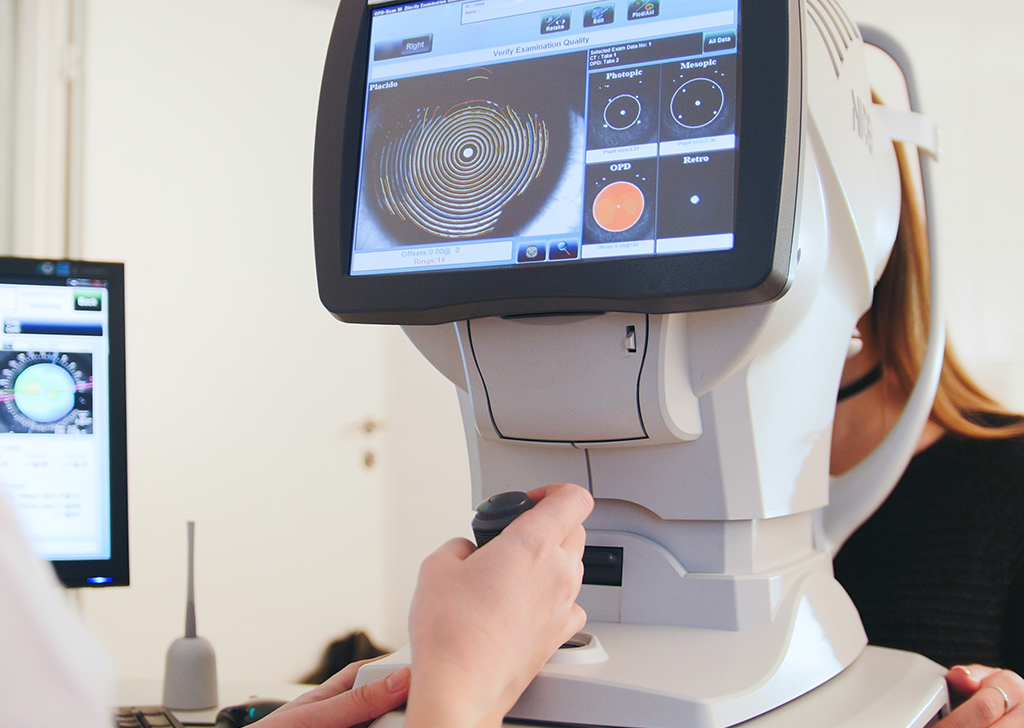
Comprehensive Eye Exam
Routine eye exams are a vital aspect of preventive eye care. Without routine eye exams, vision issues often go undetected since most eye disorders don't have clear symptoms.
Learn More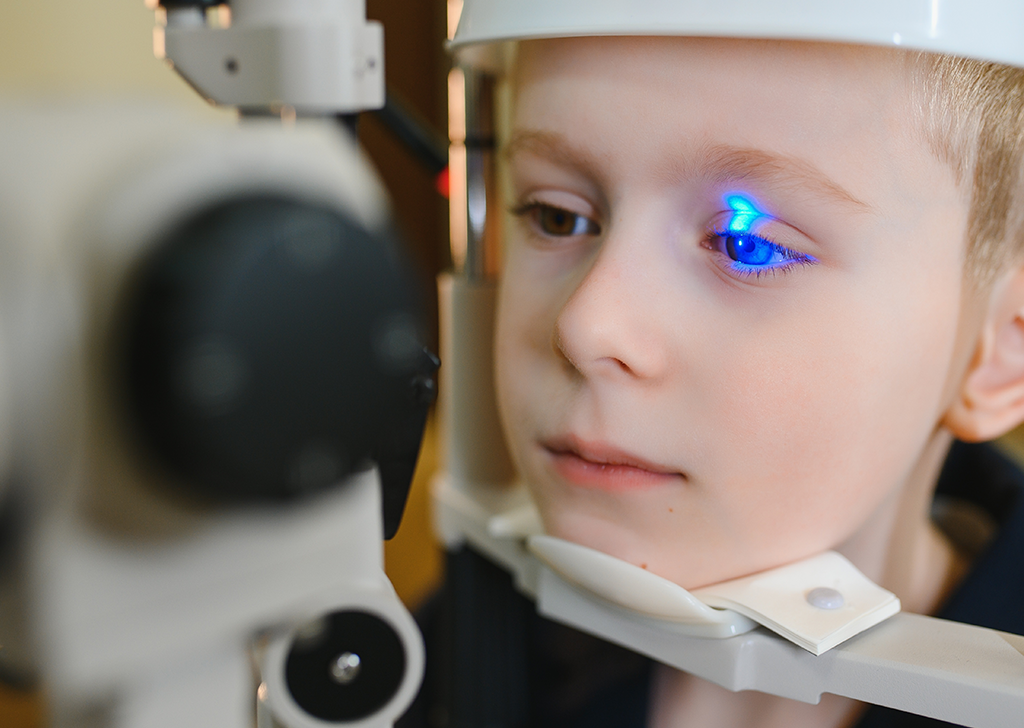
Pediatric Eye Health Care
A thorough investigation of your child's overall health of the eye and the visual system is important since some childhood vision problems can lead to permanent vision loss if left untreated.
Learn More
Myopia Control
Myopia is a very common condition around the world, but its prevalence does not mean it should be taken lightly.
Learn More
Dry Eye Treatment
Dry Eye can have a major impact on your quality of life. You may find your eyes get tired faster or you have difficulty reading.
Learn More
Eye Disease Treatment
Millions of patients are diagnosed with diseases and conditions of the eye every year. Some of which may not display symptoms until there is irreversible damage to the patient’s vision.
Learn More
Emergency Eye Exams
Eye emergencies cover a range of incidents and conditions such as; trauma, cuts, scratches, foreign objects in the eye, burns, chemical exposure, photic retinopathy, and blunt injuries to the eye or eyelid.
Learn More
Diabetic Eye Disease
You have almost certainly heard of diabetes, which is one of the most common chronic health conditions in the United States with an estimated 100 million adults currently living with diabetes or pre-diabetes.
Learn More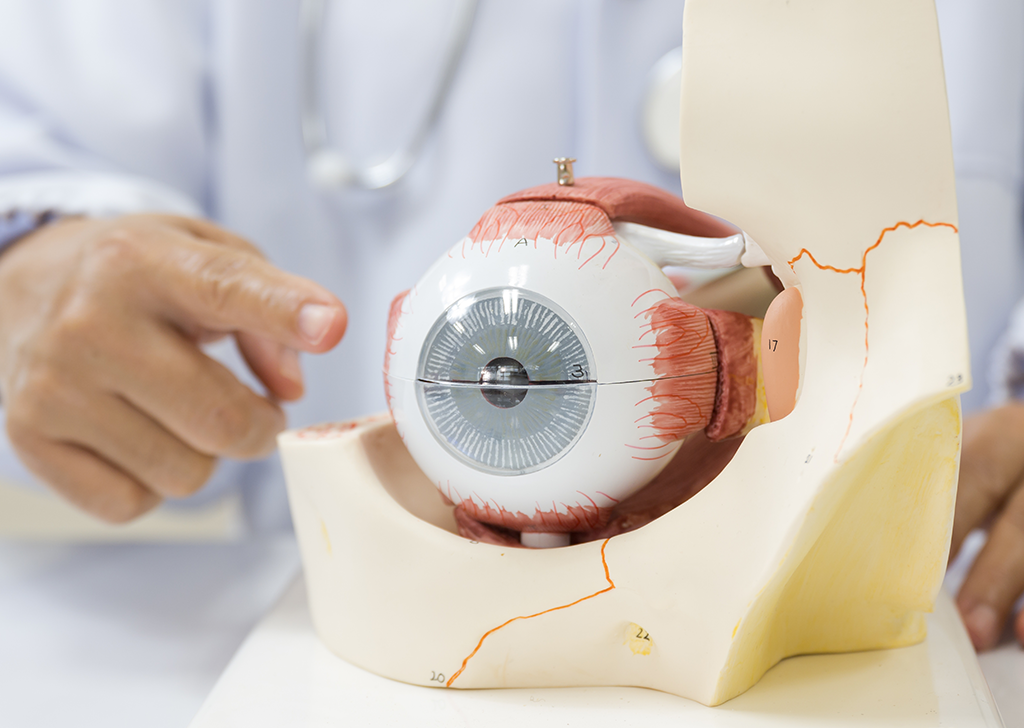
Glaucoma
If you’ve been diagnosed with glaucoma, you’re probably already familiar with the typical options in glaucoma treatment – eye drops, laser treatment or traditional surgery.
Learn More
Macular Degeneration
Macular degeneration, commonly referred to as age-related macular degeneration (AMD), is the single largest cause of sight loss in the developed world and affects more than 10 million Americans.
Learn More
Neurolens
Newton™, formerly Neurolens®, is the first and only prescription lenses that include an element of contoured prism in their design. This prism is designed to bring the patient’s eyes into more equal alignment, and this should help to provide relief from the symptoms that are associated with several eye misalignment conditions, including digital eye strain and binocular vision dysfunction.
Contact Information
Oregon Trail Eye Care - Montpelier
Oregon Trail Eye Care - Soda Springs
Hours of Operation
Oregon Trail Eye Care - Montpelier
- Monday Closed
- Tuesday 8:00am - 5:30pm
- Wednesday Closed
- Thursday 8:00am - 5:30pm
- Friday Closed
- Saturday Closed
- Sunday Closed
Oregon Trail Eye Care - Soda Springs
- Monday 8:00am - 5:30pm
- Tuesday Closed
- Wednesday 8:00am - 5:30pm
- Thursday Closed
- Friday Closed
- Saturday Closed
- Sunday Closed
© 2026 Oregon Trail Eye Care - Montpelier. All rights Reserved - Accessibility Statement - Privacy Policy - Sitemap
Managed and Designed by 